



parti per laminatoi
For decades, the art and science of metal fabrication have relied on various instruments and processes to achieve precision and quality in metalwork. Among these, the laminatoio per piastre, or plate rolling mill, stands as a critical component in the intricate dance of transforming raw metal into usable forms for multiple industries. Understanding its complexities and advantages is essential for anyone involved in metal fabrication. The primary function of a laminatoio per piastre is to reduce the thickness of metal plates while increasing their length. This process is essential for industries ranging from automotive to aerospace and construction, where specific size specifications are critical. Through a sequence of rollers, heat treatments, and cooling schedules, a plate rolling mill shapes the metal while enhancing its structural properties. When selecting a laminatoio per piastre for any operation, it is crucial to understand the different types available. These include two-high, three-high, four-high, cluster, and tandem rolling mills. Each type serves a particular purpose and offers various advantages 1. Two-High Rolling Mills Known for their simplicity and cost-effectiveness, these mills are best suited for small-scale operations or where initial thickness reduction is desired. They comprise two opposing cylindrical rollers that compress the metal. 2. Three-High Rolling Mills Featuring an additional roller, these mills allow for continuous rolling through multiple passes without needing to adjust the work piece’s position manually. 3. Four-High Rolling Mills Equipped with a backup roller for each working roller, these mills provide greater strength and precision. They are indispensable in environments requiring thin plates and high finish quality. 4. Cluster Rolling Mills Designed for high production and precision, these use multiple smaller diameter rollers to achieve a higher degree of control over the metal thickness and finish. laminatoio per piastre 5. Tandem Rolling Mills Comprising a series of rolling mill stands arranged in tandem, these are ideal for large-scale operations needing constant, high throughput. The choice of laminatoio per piastre impacts not only the production rate but also the product quality. Selecting the right material for roll construction, such as high-grade steel alloys, ensures the durability and precision of the rolled plates. Furthermore, incorporating advanced control systems enhances the accuracy of plate dimensions and surface quality, making modern plate mills indispensable in industries demanding high-caliber outputs. Experience in operating and maintaining a laminatoio per piastre contributes significantly to optimizing output quality and operational efficiency. Regular maintenance checks, calibration of rollers, and meticulous monitoring of temperature settings are part of daily routines that experienced operators follow to ensure smooth operations and consistent product quality. Moreover, as automation and Industry 4 .0 technologies become more prevalent, integrating smart sensors and IoT (Internet of Things) technologies into plate rolling mills can provide real-time data on performance metrics, wear and tear of equipment, and even predict potential malfunctions. This leads to proactive maintenance strategies, minimizing downtime and maximizing productivity. Environmental considerations are also influencing the development and use of a laminatoio per piastre. Implementing energy-efficient technologies and optimizing rolling processes to reduce waste and emissions are becoming standard practices. These practices not only benefit the environment but also contribute to a company's sustainability goals and cost savings over time. Trust remains a cornerstone when investing in such sophisticated machinery. Partnering with reputable manufacturers who provide extensive warranties, after-sales support, and regular updates can ensure a lasting investment. Engaging with industry certifications and peer-reviewed studies can further bolster the credibility of both the equipment and the operations using it. Ultimately, the laminatoio per piastre is more than just a tool; it is a linchpin in the metal fabrication industry that, when properly selected and maintained, delivers excellence across various applications. For those seeking precision, efficiency, and quality, leveraging the expertise of seasoned operators and the reliability of leading manufacturers forms the backbone of success in metal processing endeavors.

We have successfully executed over 500
projects around the world,
many first-of-their-kind
research projects and products in China, including
We have successfully executed over 500
projects around the world,
many first-of-their-kind
research projects and products in China, including
-
2004
The 1st hydraulic AGC system for hot rolling of ribbon steel
-
2006
The 1st AFC system used for 1450mm skin pass mill
-
2009
The 1st 5-stand tandem line with 2-stand POR & Uncoiler for 650mm ribbon steel
-
2012
The 1st reversing mill for 1380mm strip
-
2016
The 1st soft-rolling system used in skin pass mill
-
2019
The 1st fully automated medium-width tandem cold rolling mill
-
2021
The 1st 5000KN Twin-stand double skin pass mill
-
2022
The 1st coupled pickling line & tandem cold mill with two modes - big roller & small roller
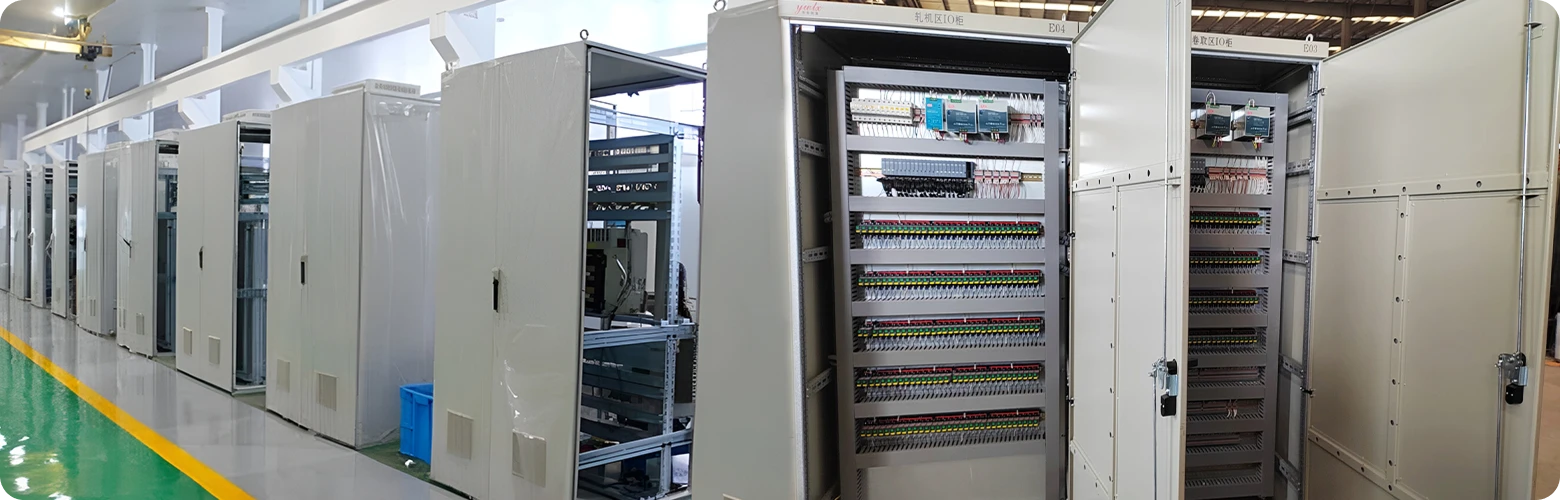
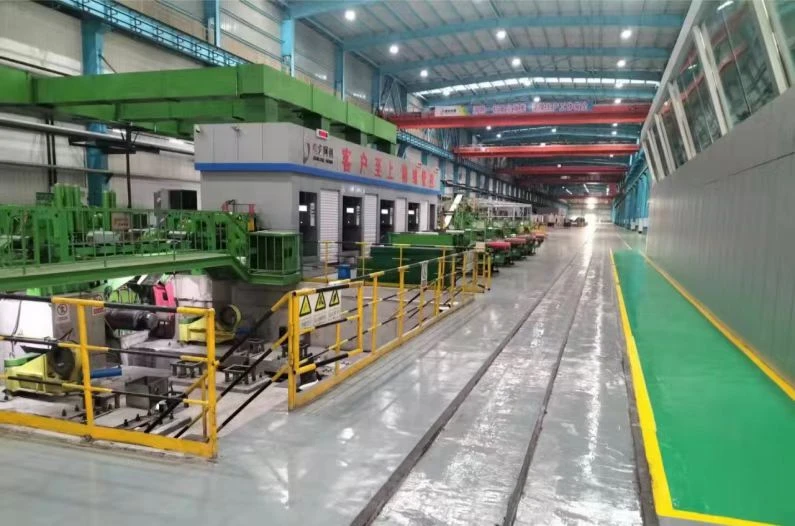
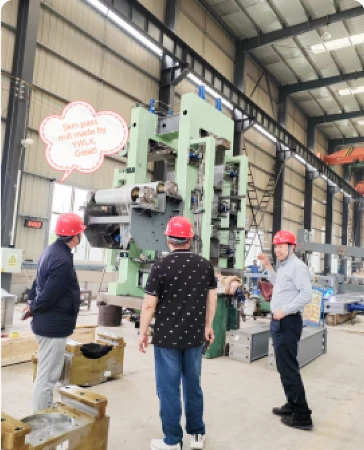

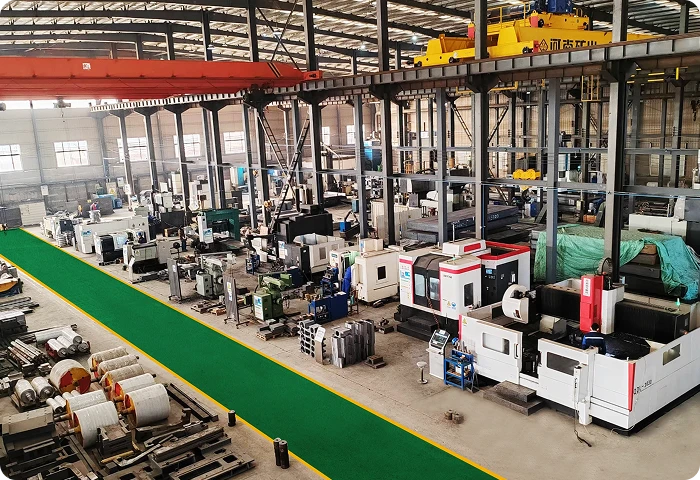
Yang Wang Li Xin operates a state-of-the-art facility over 66,000 square meters,and our manufacturing facility is fully equipped with high-tech machinery and high-capacity cranes. This enables us to handle large work pieces measuring 4.5m in width, 10m in length, and 1.5m in height, guaranteeing our capacity to produce 1800mm skin-pass mills and 1450mm rolling mills. The individual piece can weigh up to 100 tons.

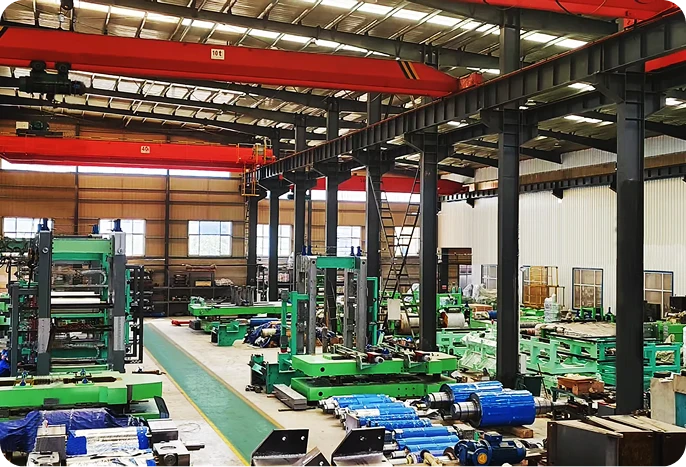

Quality is fundamental to the enterprise survival. We have established a comprehensive and meticulous quality management system and have successfully obtained ISO14000 certification. Starting from the design source, it supervises the entire production cycle, including design, procurement, processing, assembly, in-factory testing, installation, and online commissioning. The workshop is equipped with measuring tools like vernier calipers, spectrometers, hardness testers, and ultrasonic flaw detectors. They are used to check materials and control tolerances to ensure the final equipment meets or exceeds requirements. All products have a unique code, This enables the easy identification and traceability of the equipment components and ensures full control of quality.


-
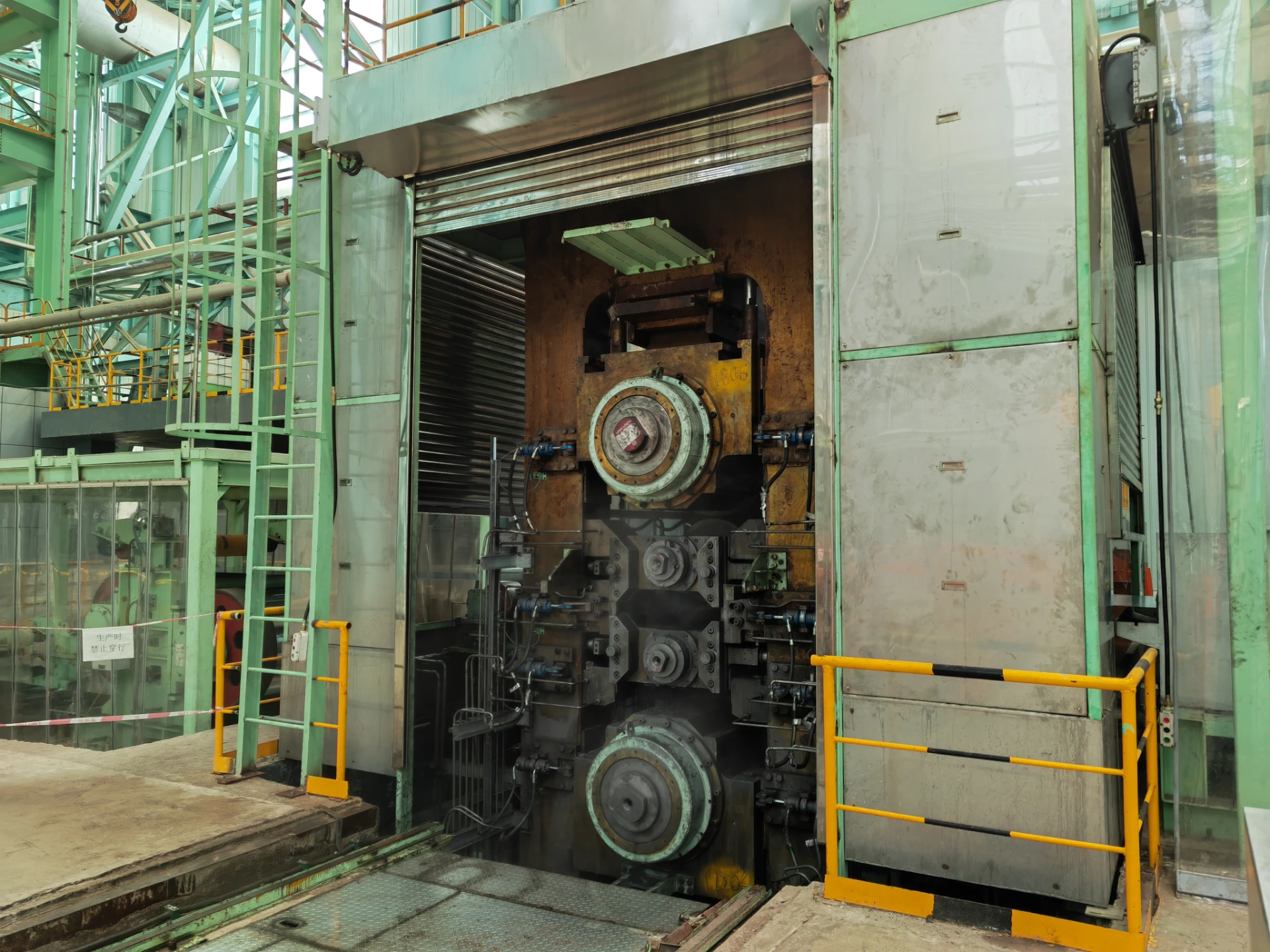 bar millExploring the World of Bar Mills An Expert Guide to Understanding and Maximizing Results Bar mills are integral components of the manufacturing sector, especially in metal production, playing a pivotal role in shaping and preparing raw metal into usable forms. As the demand for precision and efficiency in manufacturing grows, understanding the functionality and optimization of bar mills becomes in
 -
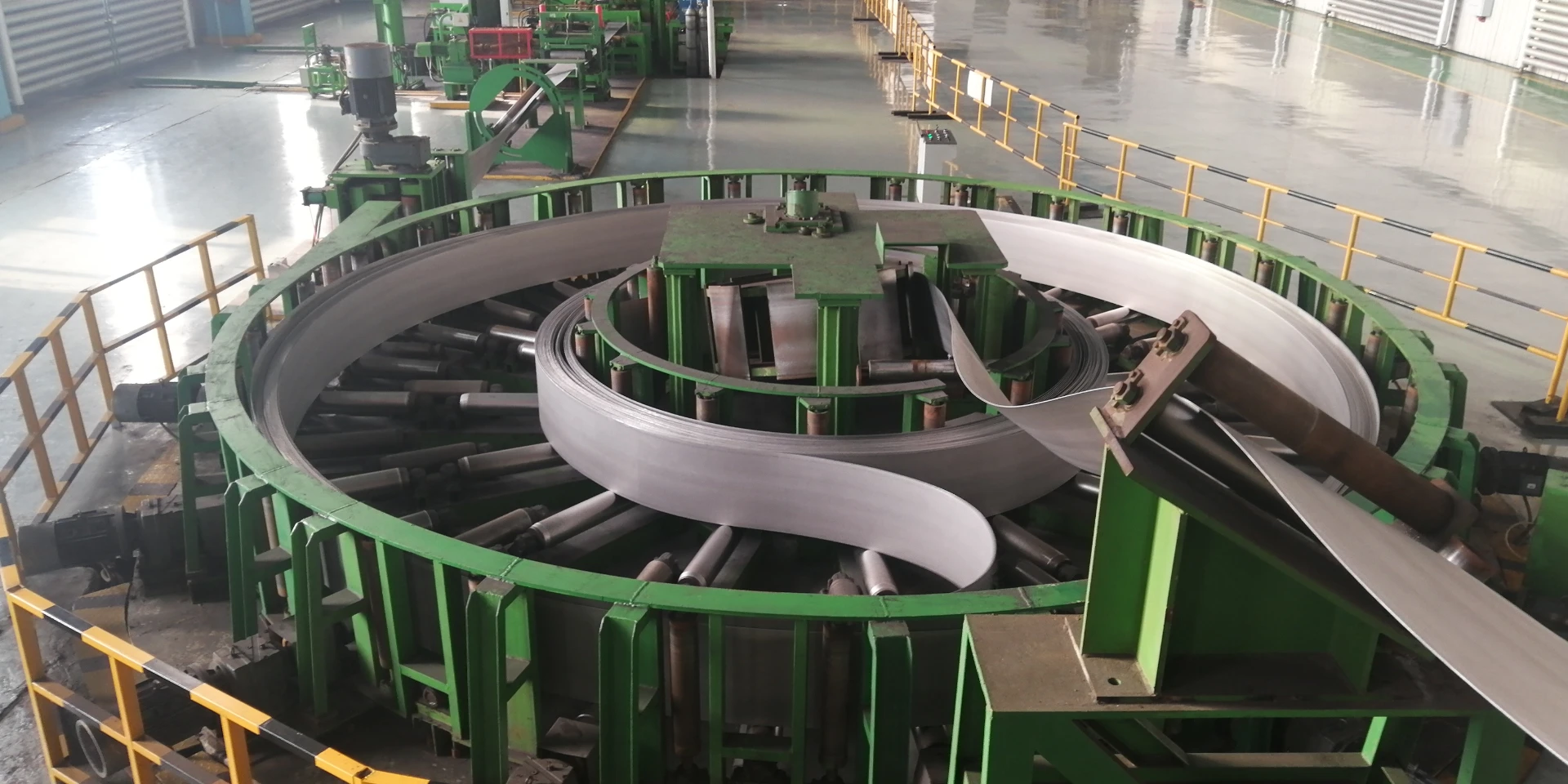
 nastro di acciaio inossidabile laminato a freddoCold-rolled stainless steel strip is a fundamental element in various industries due to its universally acknowledged advantages. Renowned for its excellent mechanical properties and superb resistance to corrosion and oxidation, this material stands as a testament to modern engineering. Its prominent role in manufacturing, construction, and technology demands a closer look at its unique attributes
 -
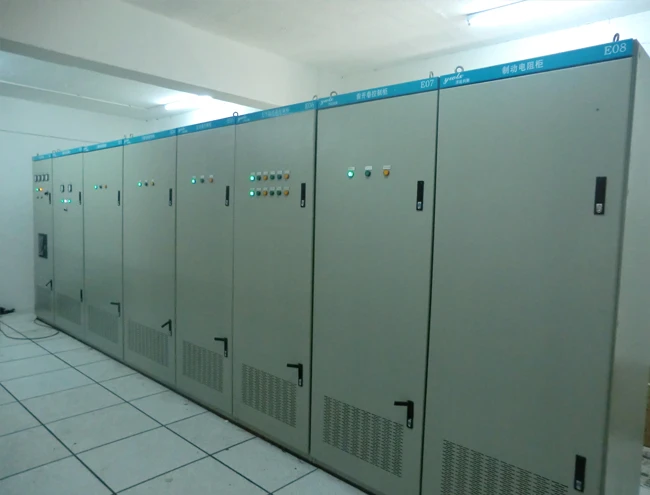
 Automatic Gauge Control Cold Rolling Mill - Precision OutputAutomatic Gauge Control Cold Rolling Mill is a key solution in the manufacturing industry, specifically within Manufacturing of industrial automation equipment and Manufacturing of automation control systems for metallurgical industry. This article explores how Beijing Yang Wang Li Xin Sci&Tech Co.,Ltd. supports professionals with durable, high-performance products, and explains why this product


